
Transform Your Family's Legacy:
Generational Trauma Therapy
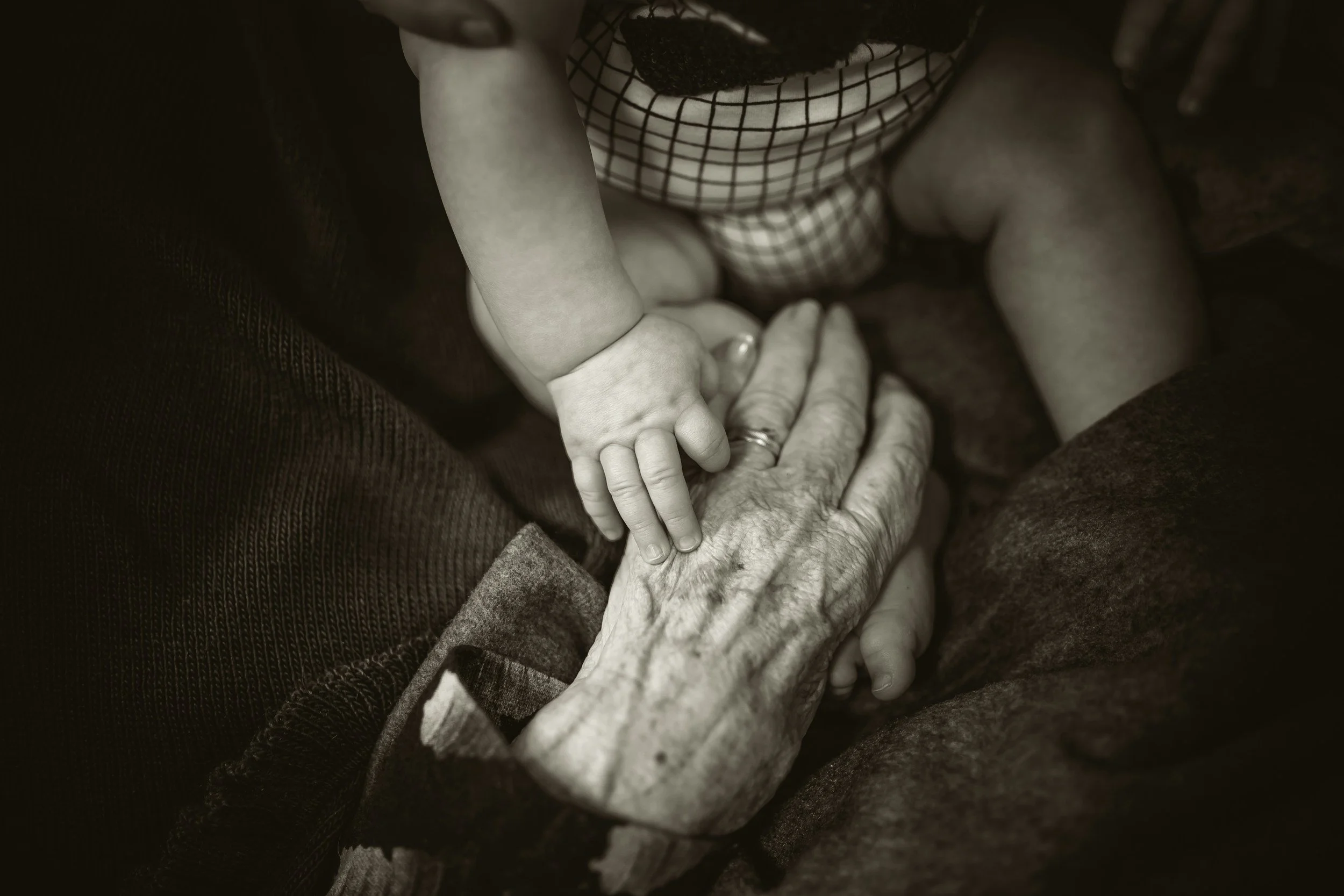
What Is Generational Trauma?
Generational trauma refers to the psychological and emotional wounds passed down from one generation to the next.
You’ll notice it most from unresolved experiences of abuse, neglect, oppression, or loss. Often, families are limited in their capacities to tolerate and manage such experiences and the lack of openness, healing, and willingness to grieve creates patterns of fear, shame, or dysfunction with the family.
You may experience painful limitations through inherited beliefs, emotional responses, and coping mechanisms.
Therapy for generational trauma can help you recognize these patterns, bring healing to unresolved wounds, and break cycles of suffering for future generations.
I’ve noticed a substantial overlap between long undiagnosed neurodivergence and generational trauma.

How Generational Trauma
Affects Mental and Physical Health
People carrying inherited trauma typically don’t recognize their own traumatized histories, leaving them confused and feeling like an imposter for their numerous struggles.
You may experience chronic anxiety, depression, a strong tendency toward guilt, or a lingering sense of fear or unworthiness, even if you can’t trace it to a specific event.
Common behavioral patterns include perfectionism, people-pleasing, and a chronic sense of feeling stuck with no way forward.
Physically, it can show up as tension, challenges with sleep, chronic fatigue, or chronic pain, as the body holds on to unresolved stress. Over time, these patterns can lead to burnout, autoimmune issues, or trouble regulating emotions.
Therapy can help by uncovering these hidden connections and supporting the mind and body in healing together.
Therapeutic Approaches for Generational Trauma
Somatic therapy focuses on releasing trauma stored in the body through gentle, body-based techniques, helping to ease chronic tension and emotional overwhelm.
Depth-oriented therapy explores family narratives, unconscious patterns, and inherited beliefs, creating space for self-awareness and healing.
Trauma-focused techniques, like Sensorimotor Psychotherapy or parts work, help process painful memories and reduce emotional reactivity.
Interpersonal process group therapy offers a safe space to practice authentic connection, gain insight into relationship patterns, and experience healing through shared support.


Benefits of Therapy for Breaking Generational Cycles
By processing inherited wounds, you can release emotional burdens like guilt, shame, or fear that were passed down through your family.
Therapy also supports you in building healthier boundaries, shifting outdated coping strategies, and creating more authentic, fulfilling relationships with others as well as with yourself.
As you heal, you have the opportunity to reclaim your authentic self, gain the freedom to live with greater self-compassion and emotional resilience - while also paving the way for more compassionate, authentic connections with others.
Generational Trauma Therapy in New York, Massachusetts, and Connnecticut
FAQ:
-
While you’d think this would be a simple question, it’s actually not.
Generational trauma refers to emotional wounds and coping patterns passed down through families. You may have it if you experience chronic anxiety, shame, or self-doubt that seems disconnected from your personal experiences. It can also show up in relationship struggles, perfectionism, or feeling emotionally stuck.
In truth, I don’t think any of us makes it out of childhood without trauma. We are also living within a system riddled with systemic pain and trauma that we are each carrying. If you think you see signs of generational trauma affecting you -you’re probably right to some degree.
I think we are all carrying generational trauma in one variation or another and I think it’s worth exploring. I think our world would be a kinder, gentler place if we were all more investigative to the ways we are carrying traumatic burdens that don’t belong to us. -
It’s impossible for me to prepare you as fully as I’d like. Therapy is highly individualized and so whatever I write here will not be what your therapy will be like. It’s normal to feel uncertain and maybe distrustful at first. It takes time to build a safe relationship, especially if you’ve maybe never felt safe in relationships before.
I do my best to really make it safe for you to be FULLY you with all the ways that you may struggle and shine. I have some skills up my sleeve to help you feel and believe and trust that I won’t take you somewhere you can’t handle. I do a lot of teaching and we create the frame and content of our therapy together. -
Girl, I feel you. I’ve heard it said that people go to therapy in order to better cope with the people who will never go to therapy. I want to give you a clean answer on this, but the truth is that nothing is as clean as we want it to be. Your family will probably never change, but you can. And as you change, the intensity of the hold of old family patterns will ease. Your healing creates positive change in how you relate to others, which will liberate you in may ways. It’s possible that the ways you change may also influence family dynamics over time. But I wouldn’t recommend you come with that being your goal.
-
Feeling guilt or disloyalty is common, but therapy is about honoring your experience—not blaming others. Healing generational trauma allows you to relate to your family with more compassion and healthier boundaries.
-
No. While events like war or abuse can create generational trauma, it can also come from emotional neglect, rigid family roles, or unresolved grief. Even subtle patterns can have a lasting impact.

Want to receive letters from me?
I write love letters to the exhausted, the sensitive, the thoughtful ones trying to survive late-stage capitalism with their integrity intact.
Sign up to receive honest reflections, gentle encouragement, and support that doesn’t require you to be okay first.