Why You Can’t Just ‘Calm Down’
The Role of the Vagal Brake in Anxiety , Overwhelm, and Burnout
Have you ever noticed that your body reacts before your brain can catch up? Maybe your heart races during a conversation, or you freeze up when someone surprises you, or you can’t relax even when everything seems “fine.”
For many neurodivergent folks and trauma survivors, this constant sense of being on edge or shut down isn’t just emotional - it’s physiological. Your body’s stress response is working overtime, often without your conscious input.
This is where the vagal brake comes in. Learning how to recognize and support this part of your nervous system can help you slow down without shutting down, access safety, and feel more grounded in your everyday life.
What Is the Vagal Brake?
The vagal brake is a term from Polyvagal Theory, which describes how your nervous system helps you respond to stress. It’s part of the ventral vagal system: the branch of the vagus nerve that supports feelings of calm, connection, and safety.
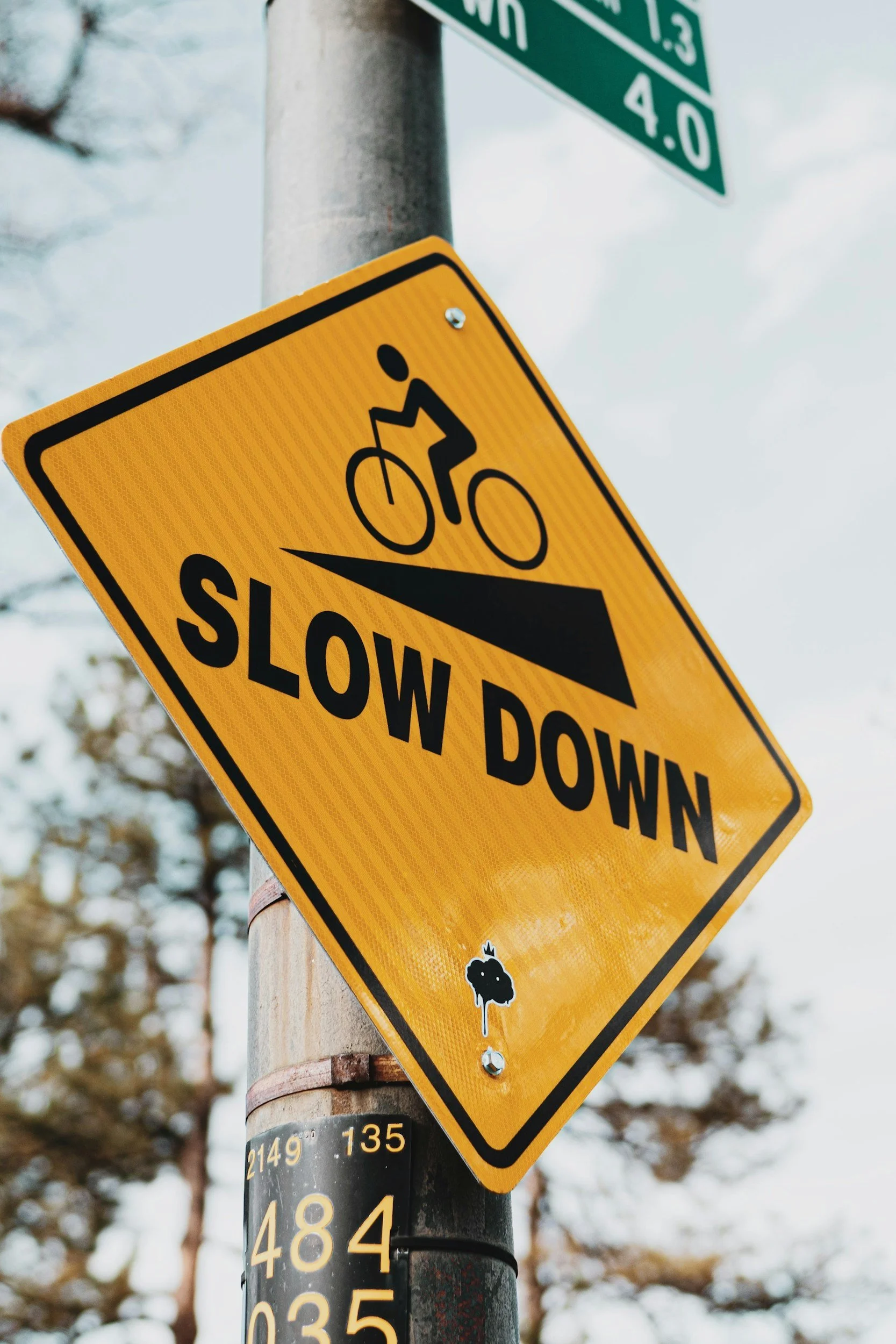
Think of the vagal brake like the brake pedal in a car.
When the brake is working well, it helps you slow down smoothly when things get stressful. You can stay present without spiraling into panic or collapsing into shutdown. You’re still alert, but you’re grounded and in control.
When the vagal brake isn’t working, your system either slams on the gas (fight/flight) or cuts the engine entirely (freeze/shutdown). And you may not even know it’s happening… you just feel overwhelmed, scattered, or numb.
Why the Vagal Brake Matters for Neurodivergent and Trauma-Impacted Nervous Systems
If you’re neurodivergent or living with trauma, your body may not have had consistent experiences of felt safety. You may have learned to stay hyper-alert to danger or to dissociate just to get through the day.
Without a strong vagal brake, your nervous system tends to flip between high activation and deep shutdown, with very little room in between. Rest, play, connection, even curiosity, can feel out of reach.
Building vagal tone (a healthy, responsive vagus nerve) means developing your capacity to pause, regulate, and respond instead of react. This isn’t about controlling your feelings, it’s about supporting your system so it doesn’t constantly feel hijacked.
Signs Your Vagal Brake Might Be Weak or Offline
Here are a few common signs that your vagal brake may not be working as well as it could:
You jump from one mode to another quickly - calm to panic, or energy to exhaustion.
You feel like you’re “stuck on” all the time, even when nothing’s happening.
You go from emotionally flooded to totally shut down without much in between.
Slowing down feels scary, boring, or unfamiliar.
You can’t access rest or connection even when you want to.
These aren’t personal failings. They’re signs your nervous system is doing what it learned to do protect you. But with the right support, it can learn new pathways.
How to Practice Using Your Vagal Brake
You can’t force safety, but you can create the conditions that invite it. Practicing your vagal brake means building awareness of your body and gently interrupting the automatic stress response.
Here are a few ways to start:
1. Orient to your surroundings
Slowly look around the room. Let your gaze land on something neutral or pleasant. Notice the shapes, colors, textures. This reminds your body that you're not in danger right now.
2. Breathe with longer exhales
Inhale gently, then exhale for longer than you inhaled. This activates the vagus nerve and signals your body that it's okay to slow down.
3. Use grounding sensory input
Weighted blankets, warm beverages, gentle pressure, or textured objects can provide steady input that calms your nervous system.
4. Take micro-pauses
Between tasks or transitions, pause. Feel your feet. Notice a breath. These 3- to 10-second moments build your capacity to pause before reacting.
5. Co-regulate with safe connection
This could be a person, an animal, or even a voice on a calming podcast. The vagus nerve is wired for social engagement, connection can help reset your system.
Be Gentle with Yourself
If you’ve been in survival mode for a long time, practicing your vagal brake might feel strange at first. You might even notice resistance or discomfort when things start to slow down; that’s normal.
Your system may need time to trust that slowing down is safe. This work isn’t about forcing calm or “fixing” your reactions. It’s about noticing your patterns and gently offering your body new experiences.
Even one breath, one pause, one gentle look around the room can be a step toward safety.
Hopeful Thoughts
The vagal brake is one of the most important tools your nervous system has to help you feel grounded, connected, and in control. And like any tool, it works better with practice and support.
If you’re neurodivergent or healing from trauma, your nervous system might need extra care. But it’s absolutely capable of learning.
You don’t need to be calm all the time. You just need to know how to find your way back to calm when you’re ready.
Want More Support?
If you’re ready to work with your nervous system, gently, respectfully, and at your own pace, I’d love to support you.
Sign up for my letters to get glimmers of hope and encouragement, somatic tools, and insights for nervous system regulation.
Or reach out to explore working together.

May the Force be with you,
Leanna
Disclaimer: the information provided is for informational purposes only and is not intended as professional advice. The information does not constitute medical advice or diagnosis.
A Note on the Writing Process
I write these blog posts with the intention of offering thoughtful, compassionate reflections for neurodivergent individuals navigating life, healing, and therapy. To help with structure and flow, I sometimes use AI-assisted tools as part of my writing process. These tools support clarity and help me bring ideas to life more efficiently, but every post is based on my clinical experience, voice, and perspective.
Just like therapy, writing is a collaborative process, and I see AI as a quiet helper behind the scenes and not a replacement for human insight, depth, or care.
